
Applications
Overnight Run
A night-shift cutting plan built for handover clarity, safe restarts, and fewer morning rejects.
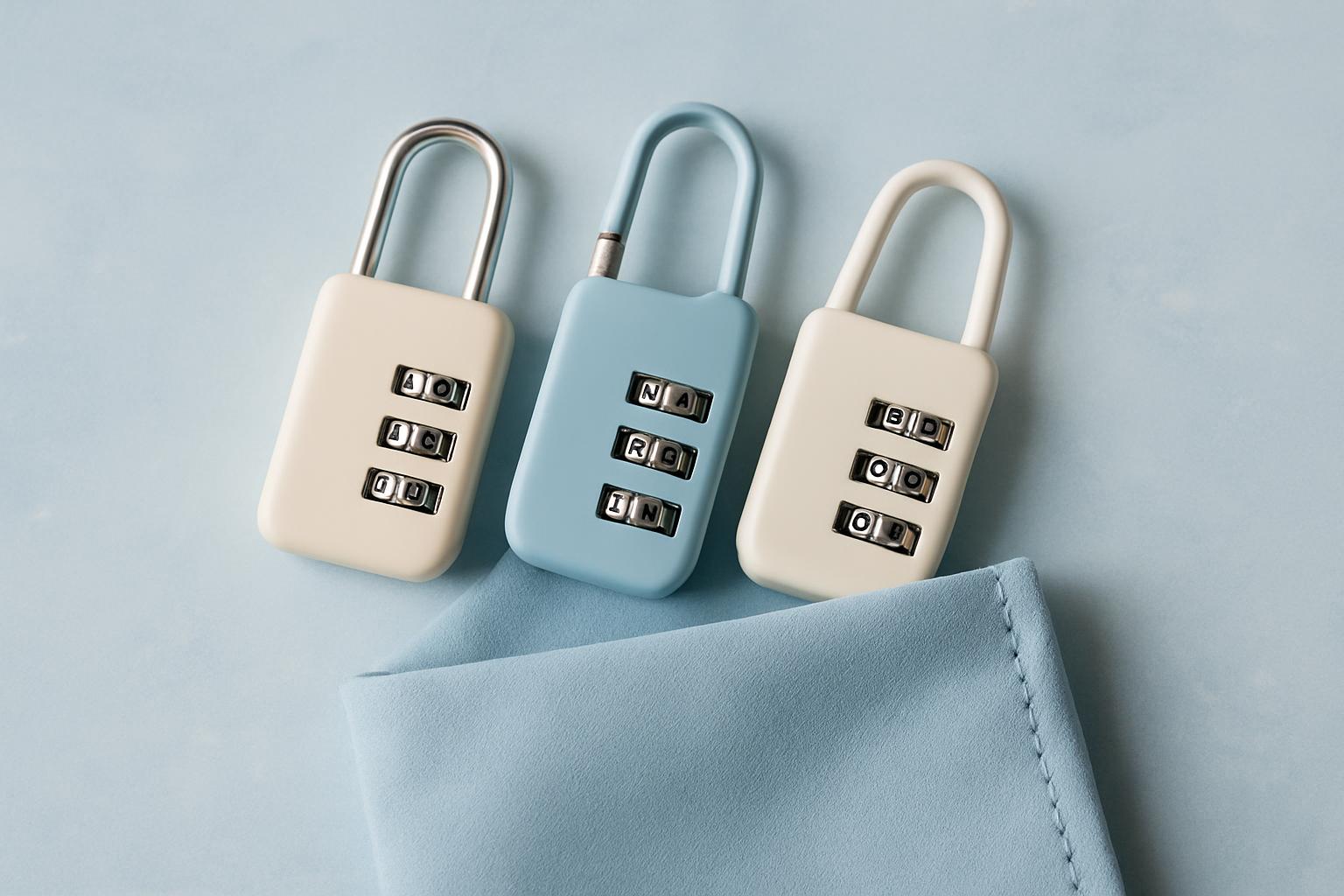
How Overnight Run lands in an actual night shift week
Overnight Run is written for the last hours of production, when tooling wear, sheet mix-ups, and rushed handovers start showing in the scrap bin. The note sets out blade or bit position, offcut handling, restart order, and the first-piece checks needed before day shift signs the batch through. Instead of relying on memory from the previous evening, the cell opens with one agreed sequence beside the machine.
Night production behaves differently once temperature drops and supervision thins out. We account for board, plastics, composites, or sheet stock, then match that to extraction condition, backup power arrangements, humidity near the coast, and dust levels inland. A cutting plan for Johannesburg does not read the same as one for Durban or Cape Town, especially when load-shedding breaks the run into shorter windows.
Include one photo from the operator side and one from the tool station before the pack is issued. Those images help identify clamp position, nesting orientation, and any temporary workaround that must not carry into the next shift. A short care note can then be mounted at the HMI or stored with the job card for morning restart checks.
Night shift handover pack
The pack normally records machine ID, material code, cutter or blade set, hold-down method, and the inspection points for the first acceptable part. It also marks what must be cleaned, what may stay loaded, and which dimensions need rechecking after an unscheduled stop. That matters more on repetitive overnight work than another version of the same drawing with vague comments in the margin.
Pair Overnight Run with the relevant Applications note and the matching Edgework requirement before adding extra operations to the same cell. Check the dispatch copy against the tooling list, then send the brief through the contact form. If the machine has recurring stops after hours, mention where they happen in the cycle and what material was loaded at the time.
- Restart order fixed beside the cell
- First-piece dimensions checked at daylight
After-hours factory conditions
Some overnight jobs must fit around OR Tambo collections, Sunnyrock dispatch windows, or shared loading bays that back up before sunrise. Others run in older Crown Mines premises where extraction, lighting, and aisle access affect how the operator clears waste and stages the next stack. In those cases the note must separate urgent cut work from the ordinary production queue so morning staff can see what was finished, what stalled, and what needs checking first.
Salt air shortens the interval between cleaning points on guides, guards, and exposed hardware. Highveld dust can cloud sensors, settle in extraction lines, and throw off edge quality if the machine is reopened without a quick wipe-down and first-off inspection. When power drops during the night, the first accepted component should be recorded only after the machine has completed its restart routine and the tool has been checked for heat or movement.
Operated by Astros Marketing (Pty) Ltd from 2 Makro Place, Sunnyrock 1401.
What to send with it
Brief Overnight Run with site photos, shift timing, and the stoppages already showing up after hours. Keep the subject line plain and specific.
Capture the machine model, cutting area, material thickness, tool stack, shift hours, and the defects most often found the next morning. Add photos of the bed, the loaded stock, and any handwritten operator note currently taped to the cell. That gives Overnight Run enough detail to describe the handover, the restart, and the checks without leaving key settings to assumption.
What our Cutting Technology customers say
Verified Google reviews