
Cutters
Training Edge
Training Edge is built for operator teams who need tighter setup habits, cleaner sheet handling and fewer chipped or burred edges during routine production. It covers the checks that matter at the machine, from clamping and blade condition to stack alignment and offcut control. The focus stays on cut quality that can be repeated shift after shift.
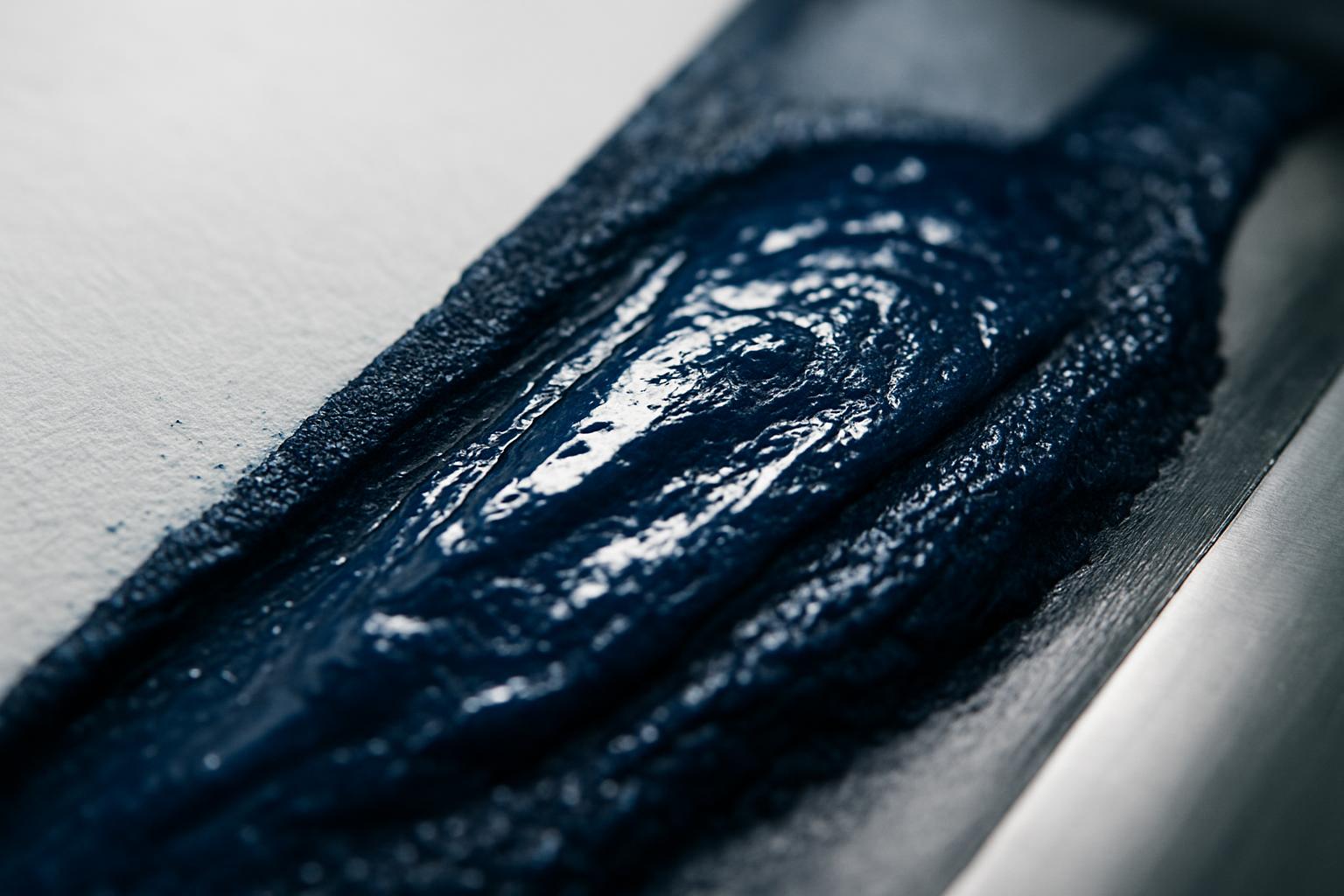
Operator habits that protect edges
Training Edge focuses on the practical habits that protect cut quality at operator level. It is for teams that need sharper setup discipline, cleaner handling and fewer edge defects across day-to-day production.
Training starts with what is being cut, how the edge must present, and which machine settings the crew can actually hold through a shift. Dry inland dust, coastal humidity and stoppages during load-shedding each change how guides, sensors and exposed tooling behave. Notes follow working conditions in Johannesburg, Durban and Cape Town.
A reference photo from the first acceptable setup is worth keeping beside the cell. Training Edge pairs that visual check with short care notes covering blade changes, guide cleaning and handling marks to watch for at pack-off. When the line restarts after a stop, those notes help the team return to the same standard.
Operator checks that travel with the cell
At the end of the session, the team has a set of startup checks, handling rules and edge acceptance points written for the cutter in use. Tooling names, blade orientation, hold-down settings and scrap indicators are recorded in plain language so shift handover stays consistent. That record is meant for production boards, job files and retraining after an edge defect appears.
Use Training Edge alongside the related Application note and any Edgework record before adding extra cut conditions or changing tooling scope. Check the cutter stack, guards and dispatch details a second time before material leaves the machine area. Tell us what your operators already check at start-up so the training builds on it.
- Setup checks matched to your cutter cell
- First approved cut kept as reference
South African running conditions
Training Edge takes account of dispatch cut-offs, export freight timing through OR Tambo and the limits of older production sites. Some cells have wear in guides, tables or clamps that changes how a clean edge is achieved. If the line is active, note which settings are stable and where defects still appear.
Near the coast, salt air and fine grit can shorten cleaning intervals on exposed components. On inland sites, dry dust often builds around sensors, slides and extraction points, which affects repeatability if checks slip. Power interruptions also matter because first-off verification after restart needs to be deliberate, not rushed.
Operated by Astros Marketing (Pty) Ltd from 2 Makro Place, Sunnyrock 1401.
Information needed for Training Edge
Send machine photos, material type, edge defects seen and any timing limits around production or dispatch. Include details of what has already been tried, especially blade changes, feed adjustments or packing changes. That gives the training note a proper starting point.
Store the note with the machine record while settings, tooling and operator observations are still current. It should sit with the job file so buyers, supervisors and setters can trace how the cut standard was defined. That record is useful when the same material returns or a defect reappears.
What our Cutting Technology customers say
Verified Google reviews