
Edgework
Audit Trail
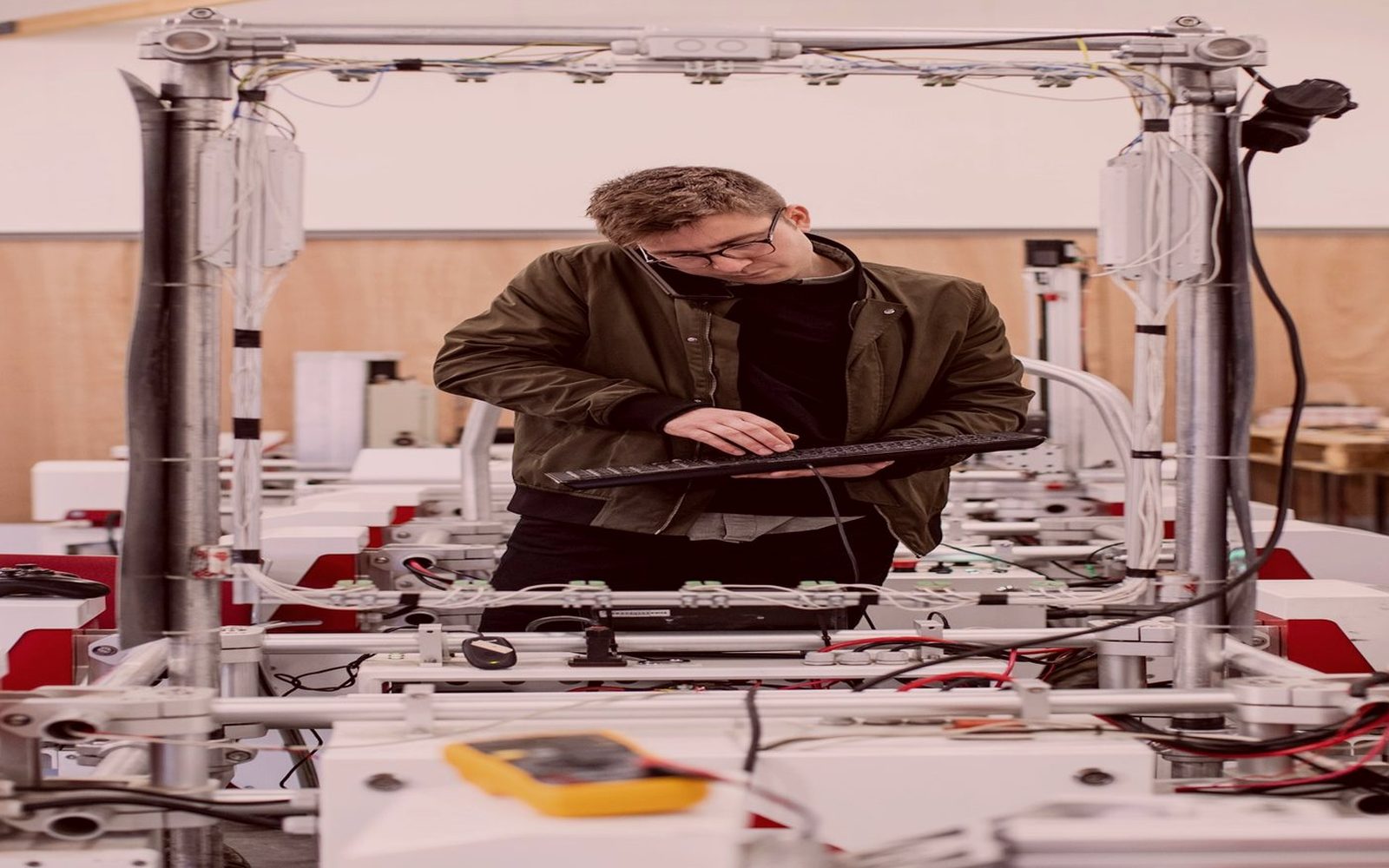
Audit Trail covers the records worth keeping when knife depth, feed rate, guides or hold-down settings are changed on a cutting cell. It focuses on what to write down after a tooling swap or service visit, so edge defects can be traced back to one decision instead of guessed from memory.
Small misses on a cutting floor have a way of multiplying by tea time: no setup photo, an email title nobody can trace, or a dispatch note that leaves out bundle or pallet quantities. Audit Trail is our note on keeping the record around a cutting cell clear, useful and easy to follow.
Good records on a cutting cell start with exact machine facts, not vague commentary. Note the operator, material, stack height, blade or tool fitted, and what was adjusted after the first inspection piece.
Records that matter after change
- Machine and operator identified
- Setup photo taken before restart
- Tool code and drawing reference logged
- Maintenance person named in full
Use this journal note beside the related equipment pages when a record must tie back to a cell, toolholder or consumable. The point is to keep one line from specification through setup, inspection and dispatch paperwork, without loose descriptions creeping in.
How the log helps by midday
The Audit Trail page explains what to record when settings change, tooling is swapped, or maintenance is carried out. A clean record makes it easier to trace why edge quality shifted and which action was taken on the machine.
On a busy cutting line, the missed details are usually small at first. A changed blade angle, a fresh set of guides, overnight moisture in board stock, or dust on a sensor can all shift the edge result before anyone spots the pattern. A short written trail gives the supervisor something firmer than recollection when rejects begin to show.
Start the note with the material and the required finish, then add the machine state at handover. Include the first acceptable sample, the quantities in each bundle or pallet, and any care instruction pinned near the cell. That makes a restart after lunch, power interruption or shift change far less speculative.
What the paper trail should show
A useful audit trail names the exact setup that ran, the issue that appeared, and the correction made on the machine. It should also show whether the edge improved after the change, which tool stayed in use, and what still needs checking before the next batch is released.
Link this note back to the matching Cutters, Applications or Edgework entry when one machine problem affects more than one job type. Before goods leave, compare the dispatch note against the recorded pack counts and the final tooling state. An audit entry lists the station, the setting that changed and who changed it, all on one line.
- Settings written after each adjustment
- First approved sample kept on file
Conditions that change the record
South African production conditions put extra weight on timing and housekeeping. Collection cut-offs, standby periods during load-shedding, and mixed-age equipment across Johannesburg, Durban and Cape Town all affect when checks are done and who signs them off. The note should reflect the site as it is, not as a handbook imagines it.
Near the coast, airborne salt and fine grit shorten the time between cleaning checks. Inland sites usually need closer attention on sensors, guides, and guard rails where dust builds up through the shift. Power cuts can interrupt first-article sign-off, so the restart record must show what changed before cutting resumed.
Operated by Astros Marketing (Pty) Ltd from 2 Makro Place, Sunnyrock 1401.
Details to capture while fresh
Audit Trail covers the records worth keeping when knife depth, feed rate, guides or hold-down settings are changed on a cutting cell. It focuses on what to write down after a tooling swap or service visit, so edge defects can be traced back to one decision instead of guessed from memory.
File this note while the machine details and tooling choice are still fresh. Use this sheet with the project record and resource page when a buyer asks how the specification was covered.
What our Cutting Technology customers say
Verified Google reviews