
Project
Centurion Lab
Lab and test-floor support for Centurion work, with clear specification language for cutting trials and tooling checks.
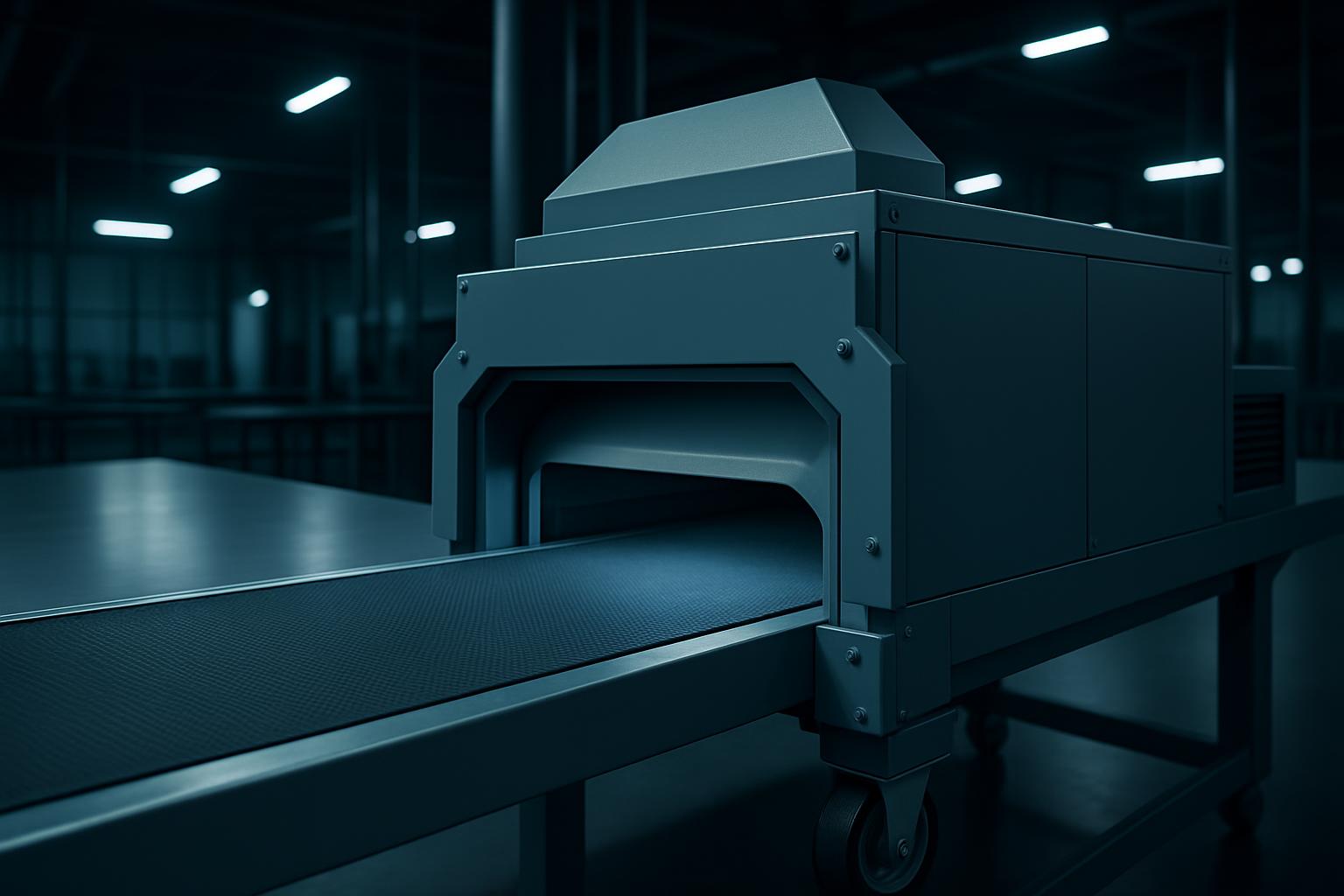
Centurion trial bench and checks
Centurion Lab covers test-floor and lab support for work in Centurion. Use it for cutting trials, tooling checks and specification notes that need to stay clear from the first sample through to the production cell.
Centurion Lab is used when a cut needs proving before it is released to a production cell. Bring the material grade, sheet or strip size, edge requirement, and the machine settings that produced the fault. Dust from inland sites, interrupted power, and long road haulage to Gauteng can all change how a trial result should be written into the spec.
Include close photos of the first sample, the tool edge, and any witness marks near the cut. A short care note can then be issued for the machine, covering cleaning points, clamp condition, blade checks, or guide wear. That record is useful when the same job returns after maintenance or a change of operator.
Outputs from the Centurion workup
The lab record can capture the cutting setup, inspection points, and the wording needed for repeat runs. It should identify the tooling plainly, note the material orientation, and show what was accepted or rejected during the trial. Clear wording matters when a sample moves from bench work to the production cell.
Before expanding the scope, match Centurion Lab findings to the relevant application note and any edge condition record. Check the tooling reference, machine details, and dispatch paperwork once more before parts or samples leave site. Our contact form reaches the lab, so give the trial cut result and the machine used.
- Trial notes tied to actual material
- First sample defects recorded in photos
Conditions that affect Centurion results
Centurion jobs often involve established equipment, not a new installation with empty production records. State whether the cell is running, what fault is blocking output, and which checks have been done on guides, clamps, sensors, or guards. Separate urgent trial pieces from the standard production queue so the lab note reflects the actual priority.
Highveld dust can shorten cleaning intervals and affect sensors or moving guides around the cutting area. Power interruptions can break continuity between first sample approval and the next setup, which is why machine state should be written down at the time of the trial. Where parts travel by courier, packing method and edge protection should also be specified.
Operated by Astros Marketing (Pty) Ltd from 2 Makro Place, Sunnyrock 1401.
What to send with the lab brief
Send Centurion Lab the cell photos, required timing, and the faults already seen. Use a subject line that names the cutting issue plainly.
Keep this record with the trial photos, tooling code and machine settings from the Centurion work. Buyers and technicians can then trace why a blade, feed rate or clamp detail was specified for the sample run. Add it to the project record and resource page when the cut result needs to be reviewed later.
What our Cutting Technology customers say
Verified Google reviews